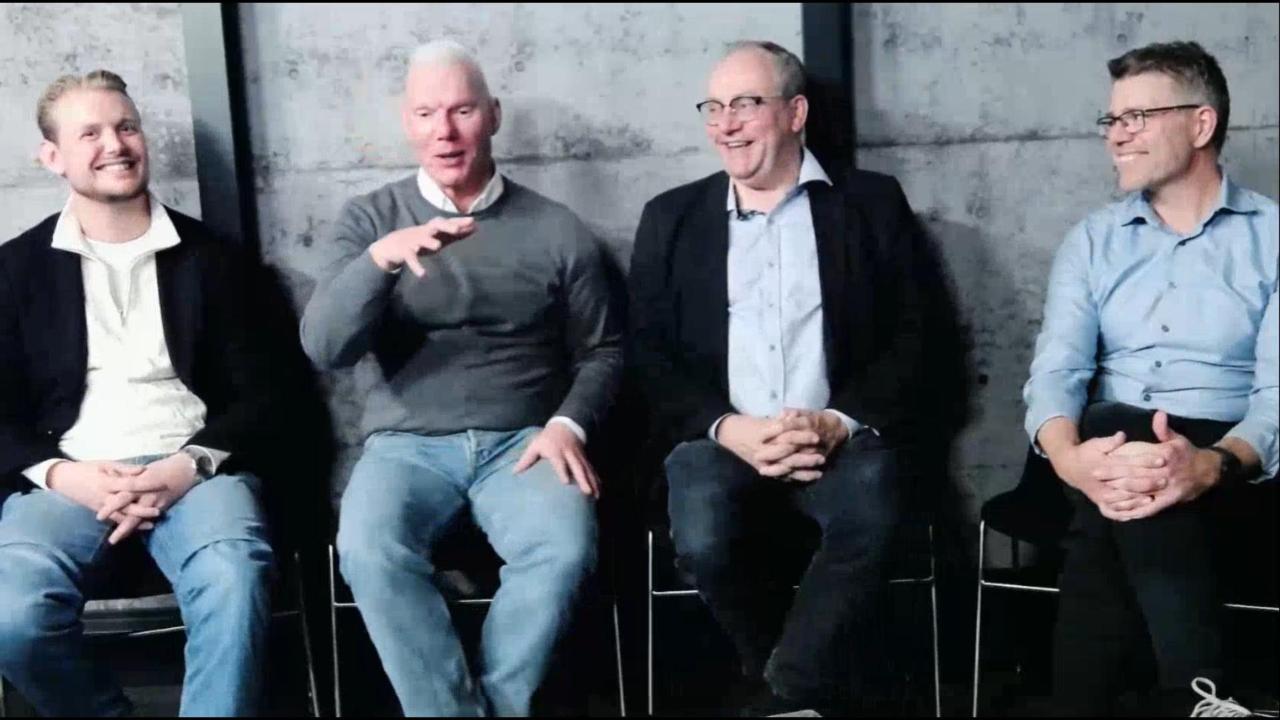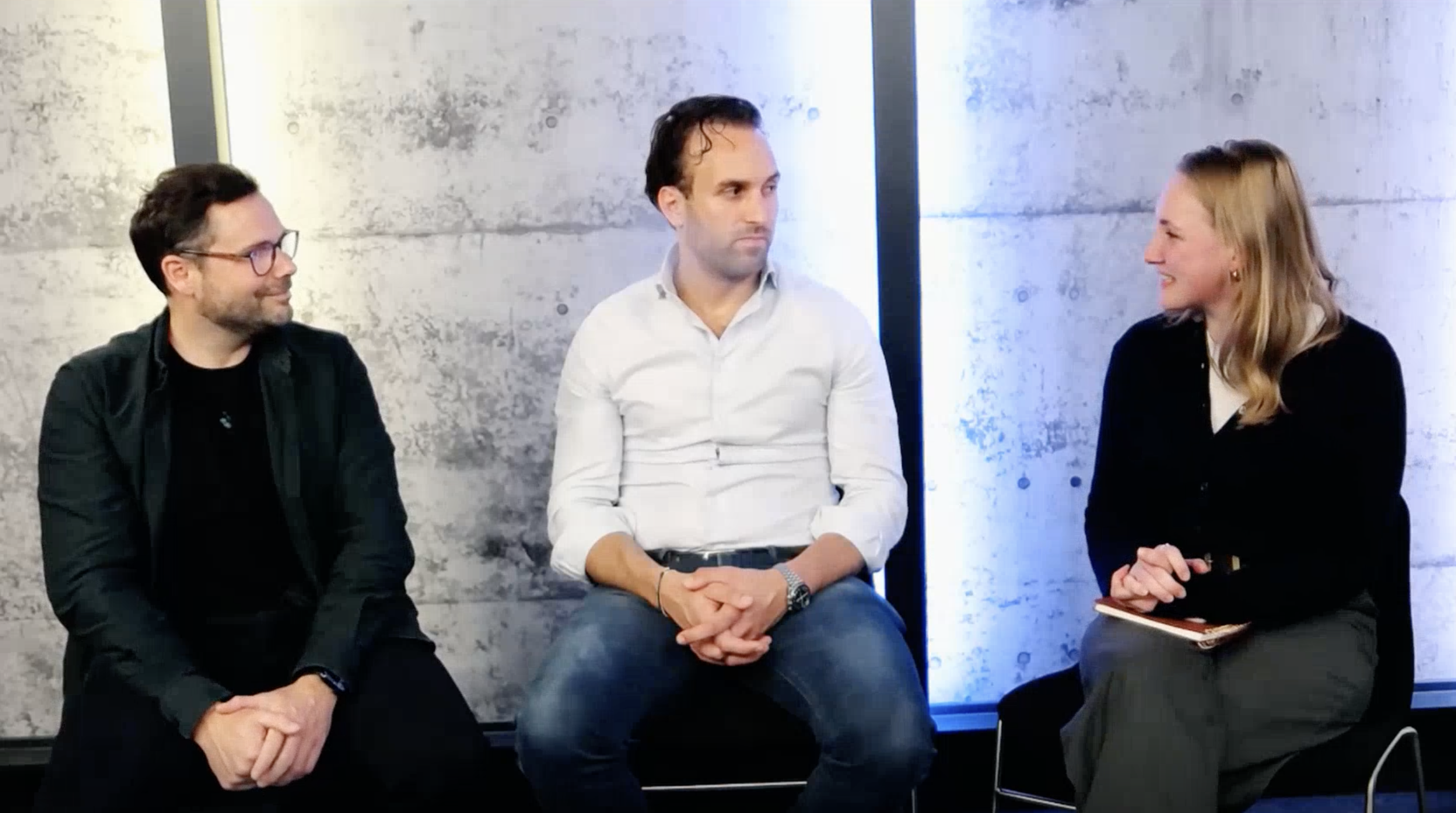
Copenhagen, 12/11/2026. At a proprty.ai webinar on moving from reactive to preventive maintenance, Mats Klein, Director at Orange Capital Partners, shared what it took for OCP to rebuild its operating model around a single source of truth. Anders Holm Jørgensen, founder and CEO of proprty.ai, joined the conversation and showed how owners can start planning across a portfolio without first cleaning up all their building data. Isha Otten from proprty.ai moderated.
Orange Capital Partners is an institutional investor active in five countries. Over the past years it has brought IT and data in-house, replacing a setup where information was spread across 17 systems with one view. The hardest part, according to Mats Klein, was the data migration. OCP cleaned its data first and then migrated in waves, starting with 300 units before onboarding the rest of the Dutch portfolio.
“The toughest part is that you typically see in the real estate sector that the data quality is fairly low. So you don't want to bring that low quality data straight into your new setup, because garbage in is most of the time garbage out,” says Mats Klein.
Keeping the data current
Cleaning data once is not the achievement. Keeping it current is. OCP mapped its key business processes, from rent collection to maintenance and complaints handling, and built its systems around how those processes should run. The plumber who fixes a leak now works in OCP's system, so the record updates when the job is done.
“In the end you can reach a 95% score. If you deliver the right tools to your suppliers and everyone is working in the same truth, then your data should be up to date,” says Mats Klein.
Anders Holm Jørgensen recognised the same logic from the product side. The question of how granular the data should be, for example whether every window in a building needs its own record, only makes sense if there is a way to keep that detail accurate without manual work.
“We need to find an automated way to keep data updated and accurate, because you cannot expect people to go and update those data points. That will not happen,” says Anders Holm Jørgensen.
Trust is designed in from the start
Asked what he would do differently, Mats Klein pointed to timing. OCP kept the design group small and at a distance from the asset management team, so as not to disturb daily work. If starting again, he would involve the business from the beginning and ask colleagues what they need the new setup for, because people trust data they have helped define.
“If the new way of working creates extra work, then the design is wrong,” says Mats Klein.
Both speakers agreed that change needs a clear mandate from the top. Anders Holm Jørgensen described the projects that go well as the ones where leadership makes room to experiment and accepts that not everything will work the first time. Mats Klein put it more bluntly.
“It's a top-down approach, basically. If leadership is not embracing change and automation, then you better stop with digitising and automating, because then it's not carried alongside the company,” says Mats Klein.
From a repair list to a plan
A maintenance plan is often a list of things that have broken. A useful plan describes where the owner wants to take each building and what that costs over time. An audience member asked where to start when there is a plan but most of the time still goes on urgent repairs.
“If we don't allow ourselves to stop and figure out how to get out of this way of working, then it will not stop. No system can help that,” says Anders Holm Jørgensen.
In the demo, he built a Dutch property in proprty.ai from a street address using public-register data, then used Tily to read street-view photos and update condition, material and installation year, with the user approving the result. The confidence score rose from 64% to 71%. He then capped a ten-year budget below the estimated need and showed the resulting technical deficit and the extra cost of deferred work.
“The lifespan of a building part can be expressed as an S-curve. But how that S-curve is shaped is based on your interventions, how you maintain it. So that's what we're trying to help them understand. What is the consequence if we postpone or we pull forward?” says Anders Holm Jørgensen.
proprty.ai predicts the condition, remaining lifetime and maintenance cost of building components across large property portfolios. Its AI-generated maintenance plan helps owners prioritise work, and they validate and improve it.
Want to see what this looks like on your own portfolio? Book a 45-minute portfolio review with Anders // hello@proprty.ai

Subscribe to our newsletter
Get insights into new features, customer cases, and news from proprty.ai, delivered straight to your inbox.